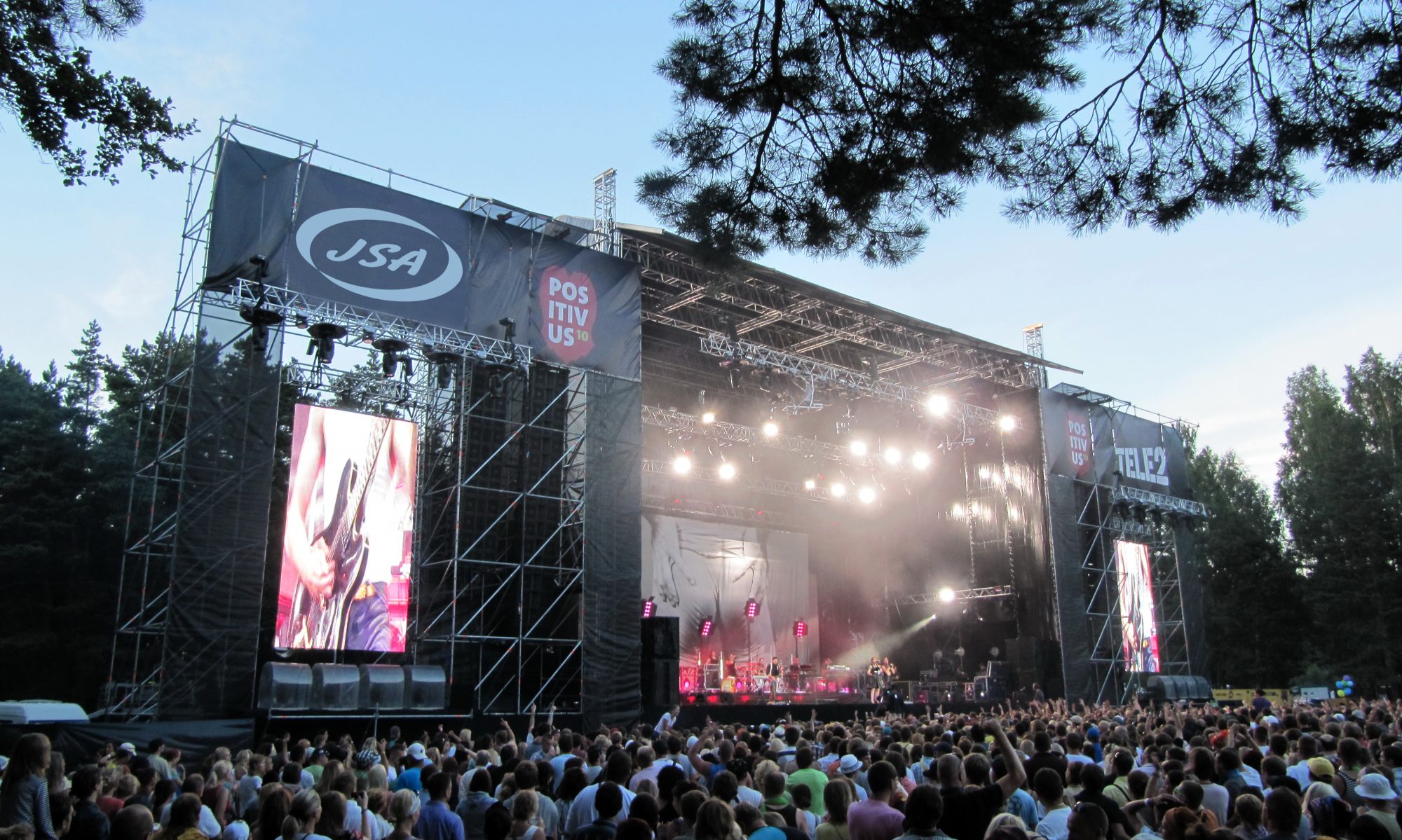

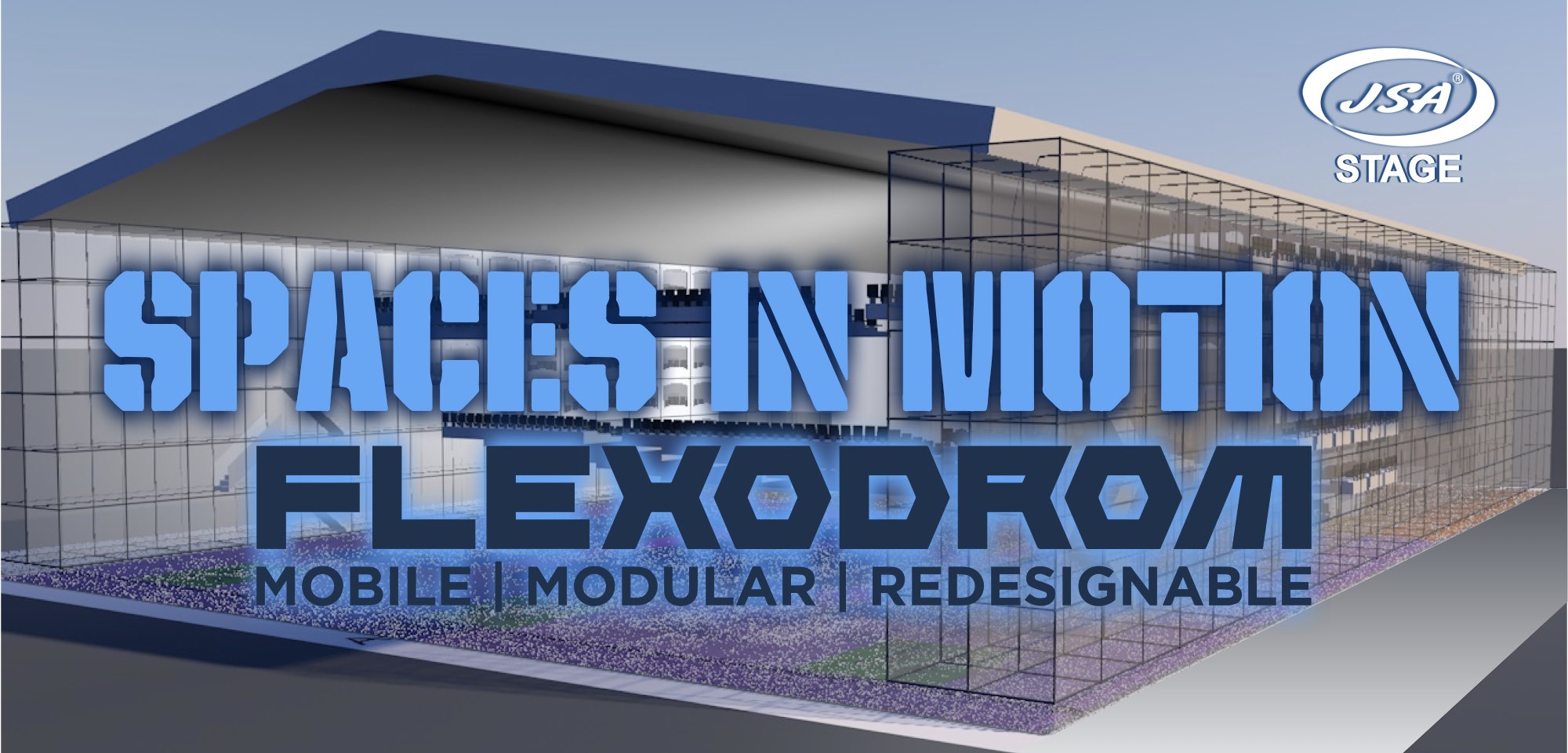
The JSA team is pleased to announce that FLEXODROM received all necessary registration documents in Germany at the end of August 2026. Thus, the joint project between Asteris Koutoulas and Alexander Strizhak has received the legal status for full operation. JSA is directly related to this important event. The basic concept of mobility, variability, and modularity for a reliable and multifunctional “Event Space” was formed based on the company’s previous experience using Layher structural systems.
The registration of FLEXODROM GmbH was first initiated in Berlin in January 2020. However, due to the prolonged pandemic and the outbreak of war in Ukraine, which impacted many aspects of life, the final stage of registration was completed on August 11, 2026.
We congratulate everyone who has been and remains with us on this long and difficult journey. We thank everyone who has helped and supported us, whether through actions, advice, or kind words. We will ensure that the vision of this project becomes a reality. Now we will begin the next steps, which will include new concerns and challenges on the path to our next success.
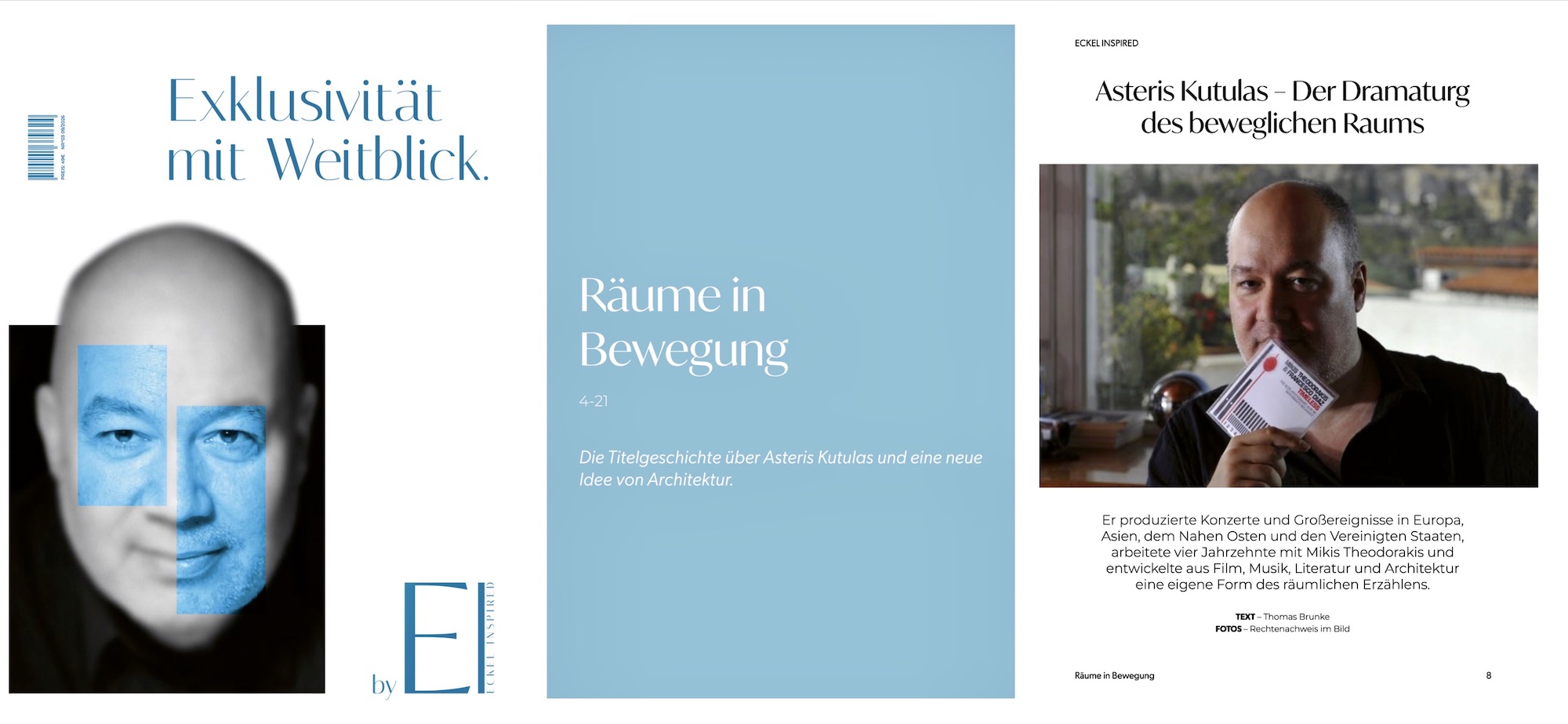
Below, we present information about the article “Spaces in Motion” in the professional architectural journal-almanac “Exclusivity with Foresight” published by ECKEL INSPIRED (media platform of the Eckel Presse & PR GmbH). In it, Asteris Kutulas (his artistic name) is introduced as the “Playwright of Mobile Space.” This is story about his creative path in art and how he came to the concept of FLEXODROME based on business communication with Alexander Strizhak and the JSA team. They designed the logistics and infrastructure, carried out the engineering work, and designed the basic structural models for this project, drawing on their many years of experience with Layher systems.
Historical background for information:
Asteris Koutoulas and Alexander Strizhak have known each other since 2003. They met in Moscow while collaborating on the Mega Show on Red Square, featuring the rock band Scorpions, pop singer Thomas Anders (ex- Modern Talking), and the Presidential Orchestra of the Russian Federation. The renowned director Gert Hof directed the lighting and pyrotechnics for the event. More information about this event can be found here:
LIGHT MUSICAL MEGA SHOW ON RED SQUARE ON MOSCOW DAY
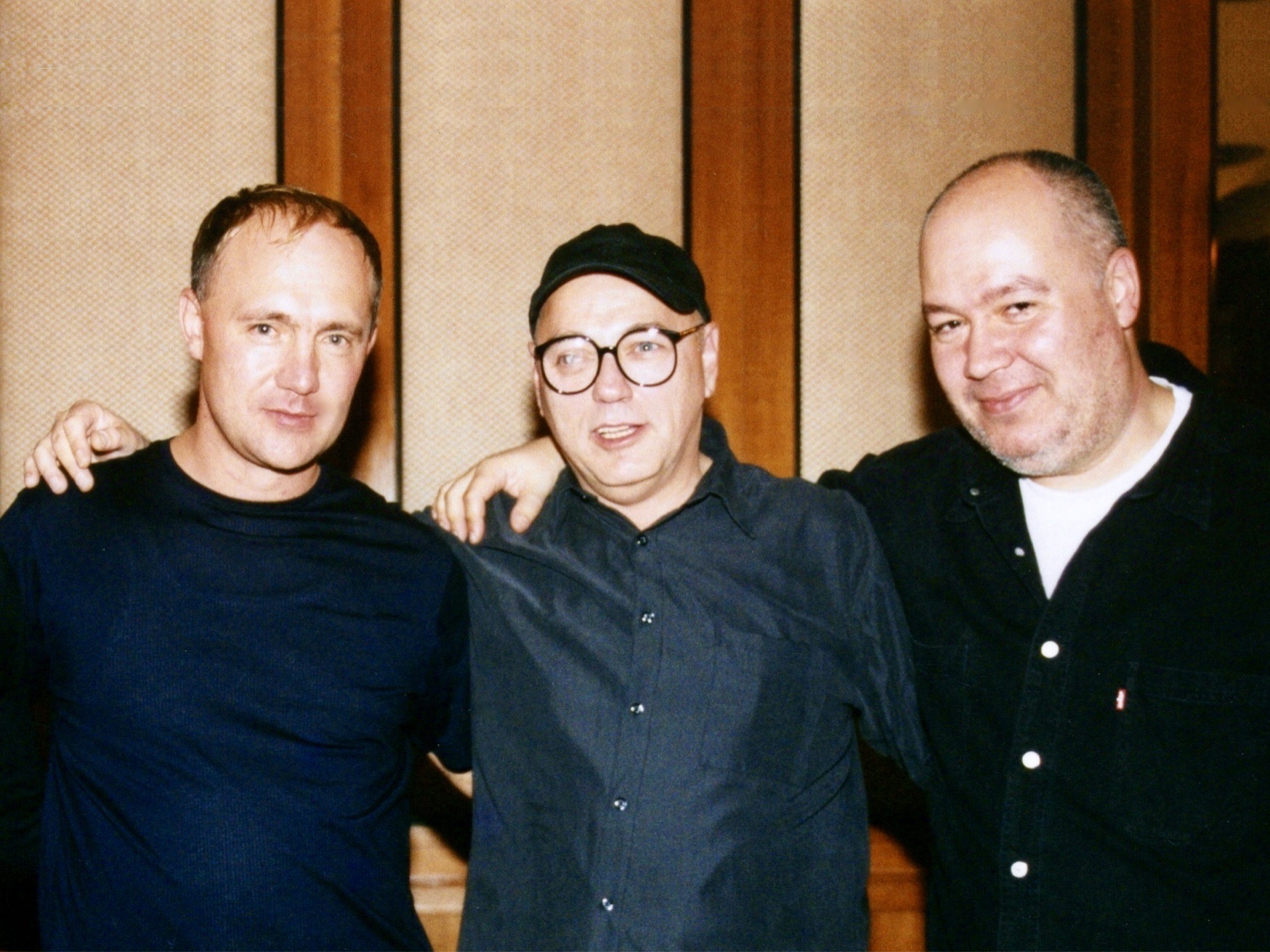
Pictured, left to right: Alexander Strizhak, Gert Hof and Asteris Kutulas
The preliminary development of the project, which later received the name “FLEXODROM”, began with correspondence in emails in December 2017. This happened on the initiative of Asteris Kutulus, when he made a request to Alexander Strizhak for his idea “LIQUID STAGING” (in this case, it is like a term – “transformable space”). In response, Alexander Strizhak suggested drawing on the experience of JSA, a company that had already installed similar spatial structures using Layher systems, to implement this unusual idea. Below are links to some of the main ones of these projects.
MTV RUSSIA MUSIC AWARDS ON RED SQUARE IN MOSCOW
ELLE FASHION MAGAZINE PARTY IN THE LAYHER STRUCTURE SPACE
THE BIG LAYHER STRUCTURE IN THE PARK OF THE CONSTANTINE PALACE
WINTER CONFERENCE COCA-COLA IN LAYHER STRUCTURES
GIANT LAYHER STRUCTURE FOR RESTORATION OF FAMOUS MONUMENT
ORIGINAL STRUCTURE OF FLEXODROM FOR VIP GUESTS ESC 2025
Thus began the journey to develop a creative and business concept for a modular, temporary, flexible, and mobile Structural Event Space. Asteris Koutoulas, while in Berlin, held intensive meetings and negotiations with the German business community. During the process, Alexander Strizhak presented Asteris Koutoulas with the manifesto “The Philosophy of FLEXODROME and the Layher System.” Subsequently, to more successfully identify potential clients and business partners, it was decided to involve the Layher plant in the project, as the manufacturer of the components used by JSA to install the FLEXODROME base structures.
This was easy enough to do as JSA had a long-standing business relationship with Layher (since 1997). And from 1999 to 2009, JSA was the exclusive partner for the sale and promotion of the plant’s products in Russia. Thus two meetings took place with Georg Leir at the head office in Güglingen-Eibensbach. The first took place on November 20, 2019 and the second after the “Covid” break on December 11, 2023. For more information about this, see the links below:
BUSINESS MEETING IN LAYHER. PRESENTATION OF THE NEW PROJECT – FLEXODROM
MEETING AT LAYHER PLANT. FLEXODROM PROJECT AND COOPERATION ISSUES
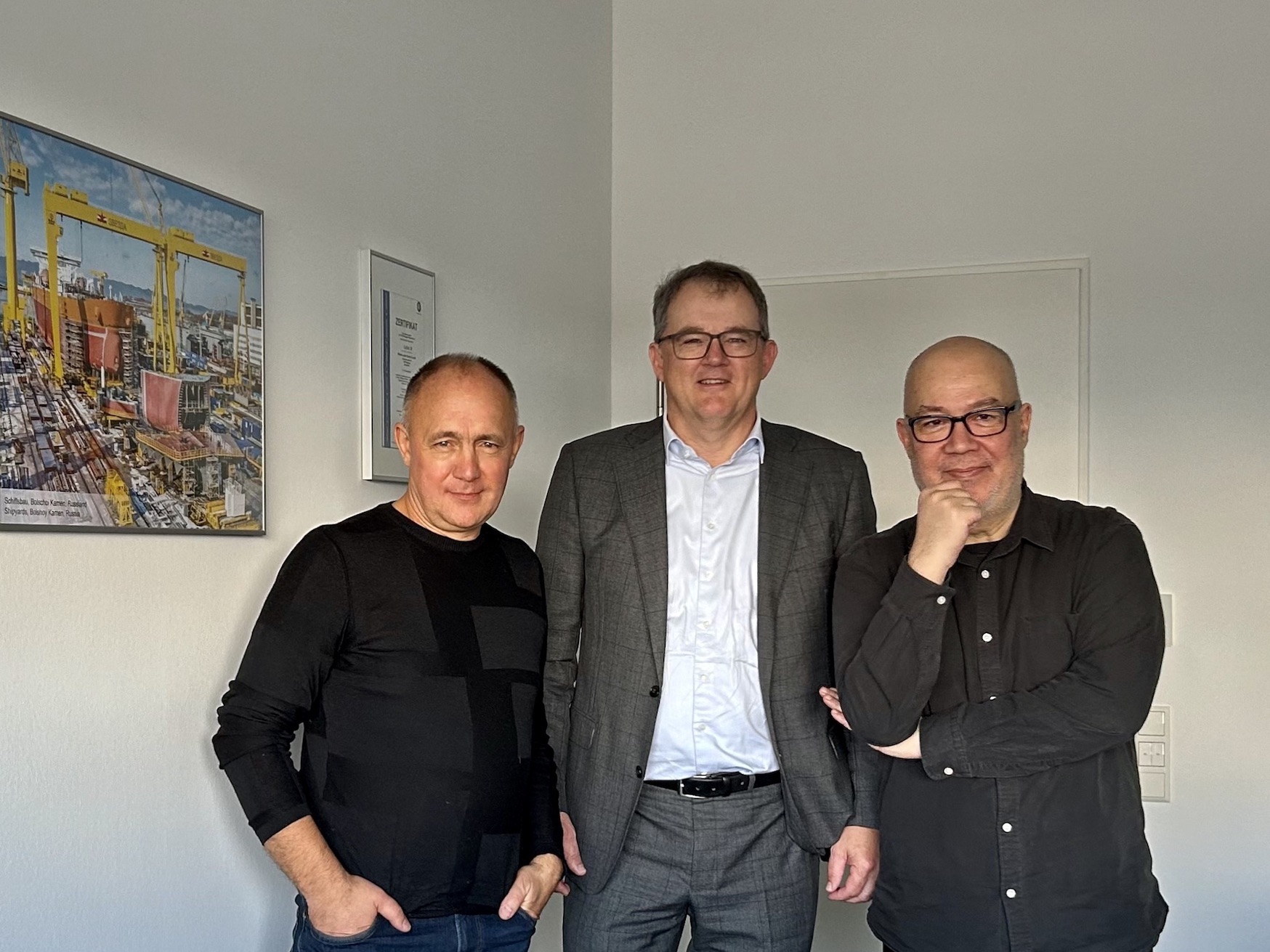
Pictured, left to right: Alexander Strizhak, Georg Layher and Asteris Kutulas
Since then, much has been made to implement the FLEXODROME concept and capabilities in its potential use as a temporary structure for various events: a concert hall, a theater, a sports arena, an exhibition space, and many others. However, investors and clients needed a legal entity of the company – FLEXODROM. Now it already exists and we continue…
FROM ARTISTIC PROJECT TO CONSTRUCTION SYSTEM
Below, we are pleased to present an excerpt from the final part of Asteris Koutoulas’s article in the architectural almanac “Exclusivity with Foresight,” about his participation in the FLEXODROME project. In our opinion, this is the most important passage in terms of meaning regarding the prospects for the development of the use of temporary structural “buildings”:
“…ONE BUILDING AS A CONTINUOUS PROCESS
Our understanding of architecture is closely linked to permanence. A building is erected in a specific location and remains there. Flexodrom offers a more flexible relationship between building, site, and time.
One house can be built for a specific location and then change that location. One gymnasium can expand, one commercial building can gain additional floors, one events hall can later be converted into work or educational space. A building becomes a continuous process with multiple phases of use and potentially multiple addresses.
For cities, this opens up a new level of planning. Permanent buildings remain essential and shape the city’s appearance for generations. At the same time, there is a growing need for spaces that can respond more quickly to change: climate adaptation, population growth, new forms of work, and waves of urban renewal create challenges whose duration is difficult to predict in advance. “Flexible” buildings can accommodate such transitions and give the city more time…”
You can view and scroll through the full article in English here: ASTERIS KOUTOULAS – SPACES IN MOTION
Den vollständigen Originalartikel in deutscher Sprache finden Sie hier: ASTÉRIS KUTULAS – RÄUME IN BEWEGUNG
Our special thanks go to Thomas Brunke, the article’s author, managing director, editor-in-chief and publisher of the magazine, for his detailed research into the history of FLEXODROME and the personal journey of Asteris Koutoulas – from music, literature and cinema to mobile “new architecture” spaces for various events.
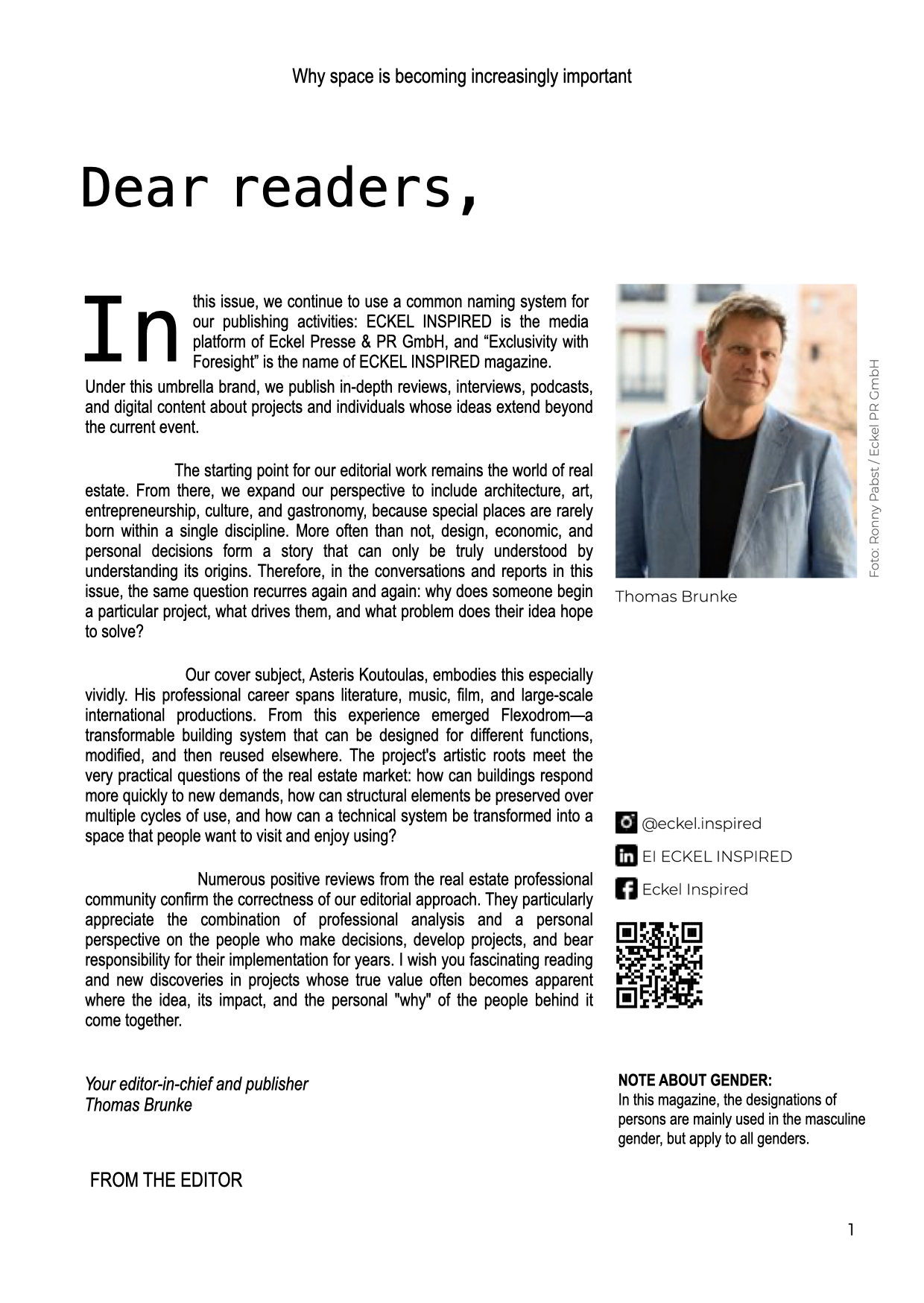
Эта статья на русском языке: ЭКСКЛЮЗИВНОСТЬ С ПРЕДВИДЕНИЕМ. ФЛЕКСОДРОМ – ПРОСТРАНСТВА В ДВИЖЕНИИ